8 Reasons Your Electric Kettle Is the Most Dangerous Appliance in Your Kitchen
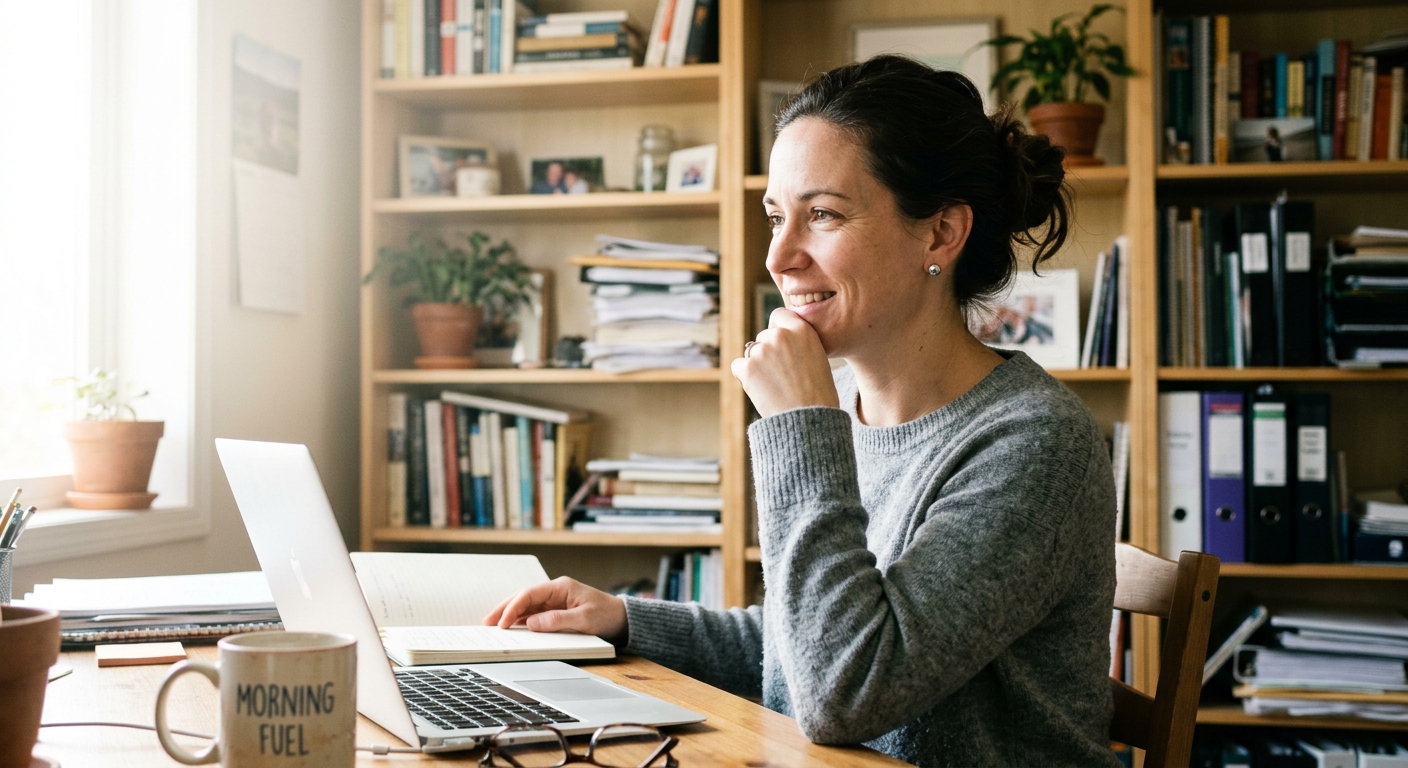
A December 2025 Nature study found your kettle releases 3 billion plastic particles into a single cup of boiling water.
You filtered your water. You switched to organic. You read the labels. But every morning, you fill a plastic kettle, boil it, and pour that water directly into your body. The appliance you trust most in your kitchen is the one nobody warned you about.
Eight findings from peer-reviewed research that change how you think about your morning routine.
1. 3 Billion Plastic Particles. Every Cup. Every Morning.
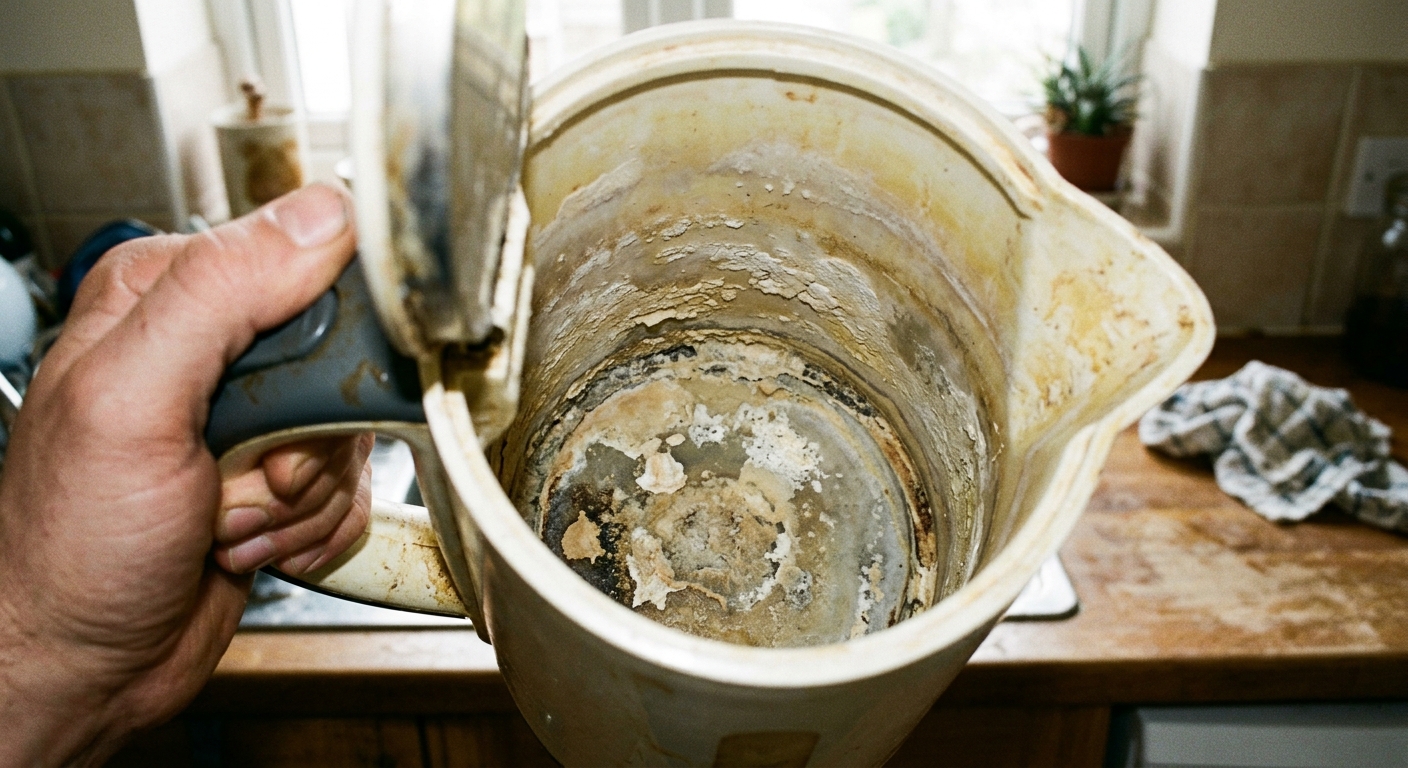
The kettle on your counter right now is shedding plastic into your water every single time you boil it. University of Queensland researchers measured 12 million nanoparticles per milliliter released in a single boil from a standard plastic kettle. That works out to roughly 3 billion per cup. Even after 150 uses, the same kettle still releases 205 million particles per cup. You cannot taste them, filter them, or see them. They are already in your cup.
"Looked inside my kettle after reading this. Years of cloudy film. Threw it out the same day, ordered the Bare one that night."
James T., 41, software engineer, Austin TX
2. They Don't Stay In Your Gut. They Go Everywhere.
Nanoparticles this small do not stay in your gut. Researchers have now found microplastics in human placentas, breast milk, semen, and ovarian fluid. Brain microplastic concentrations have risen 50% in just 8 years. A 2024 study in the New England Journal of Medicine found microplastics inside arterial plaque, directly linked to significantly higher rates of heart attack, stroke, and death. Once these particles are in your bloodstream, they go where they want.
"I read the part about dementia patients having ten times more brain microplastics and I had to put my phone down for a second. My mom has early onset. I don't know if it's connected. I just know I'm not adding to it anymore. Replaced the kettle that weekend."
Rachel K., 47, registered nurse, Portland OR
Glass and steel. Zero plastic in the water path. Ever.
3. Your Tea Bag Adds 11.6 Billion More.
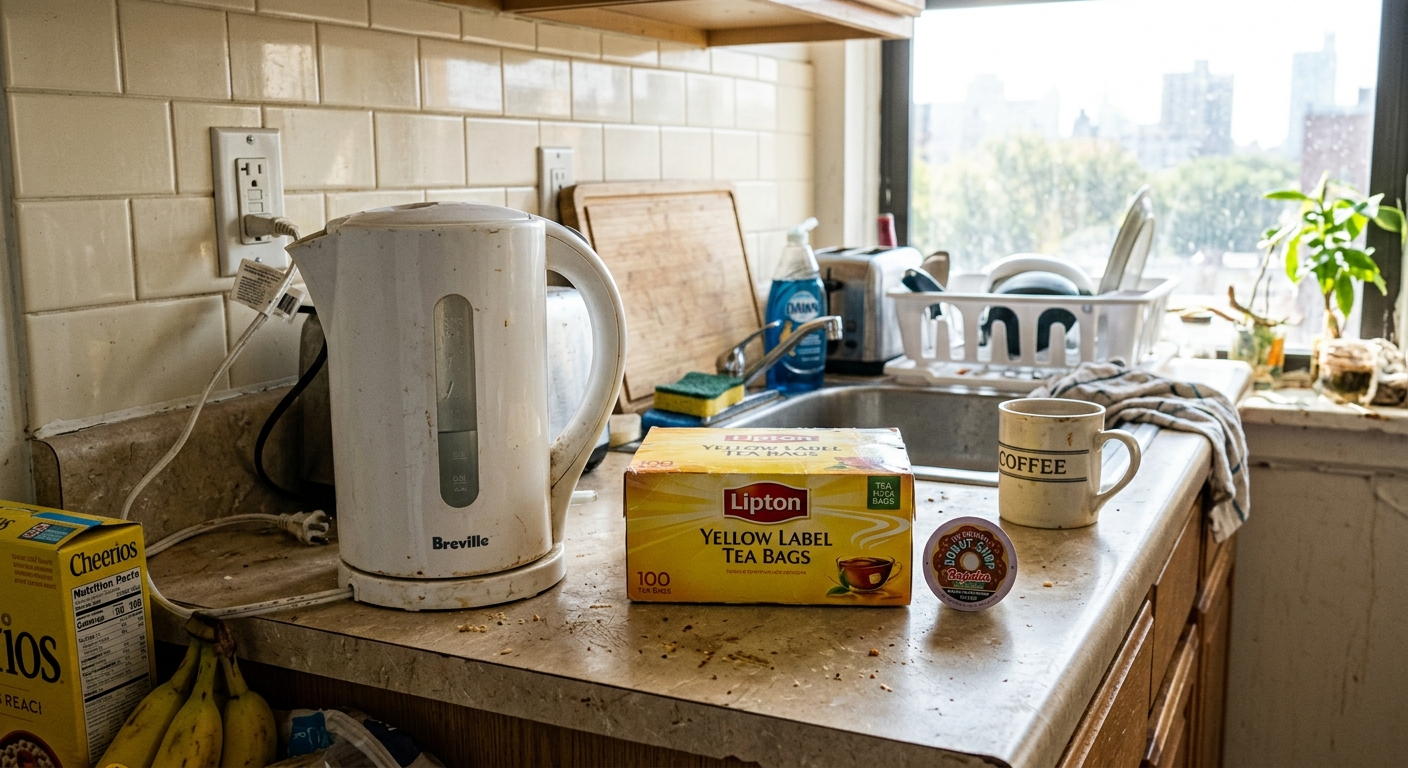
Your plastic kettle is source one. Most paper-looking tea bags are actually sealed with polypropylene plastic mesh. A 2019 McGill University study found that a single bag releases 11.6 billion additional particles per cup when steeped in hot water. Two separate plastic exposures stacked in one drink, before you have eaten breakfast. The kettle was never the only problem.
"I was honestly the most annoying person about plastics at parties and somehow I missed both of these. Tea bags AND the kettle? At the same time? Embarrassing. I'm not making jokes about it anymore."
Priya M., 34, nutritionist, Chicago IL
4. You Made Your Kid's Hot Cocoa With It Last Night.
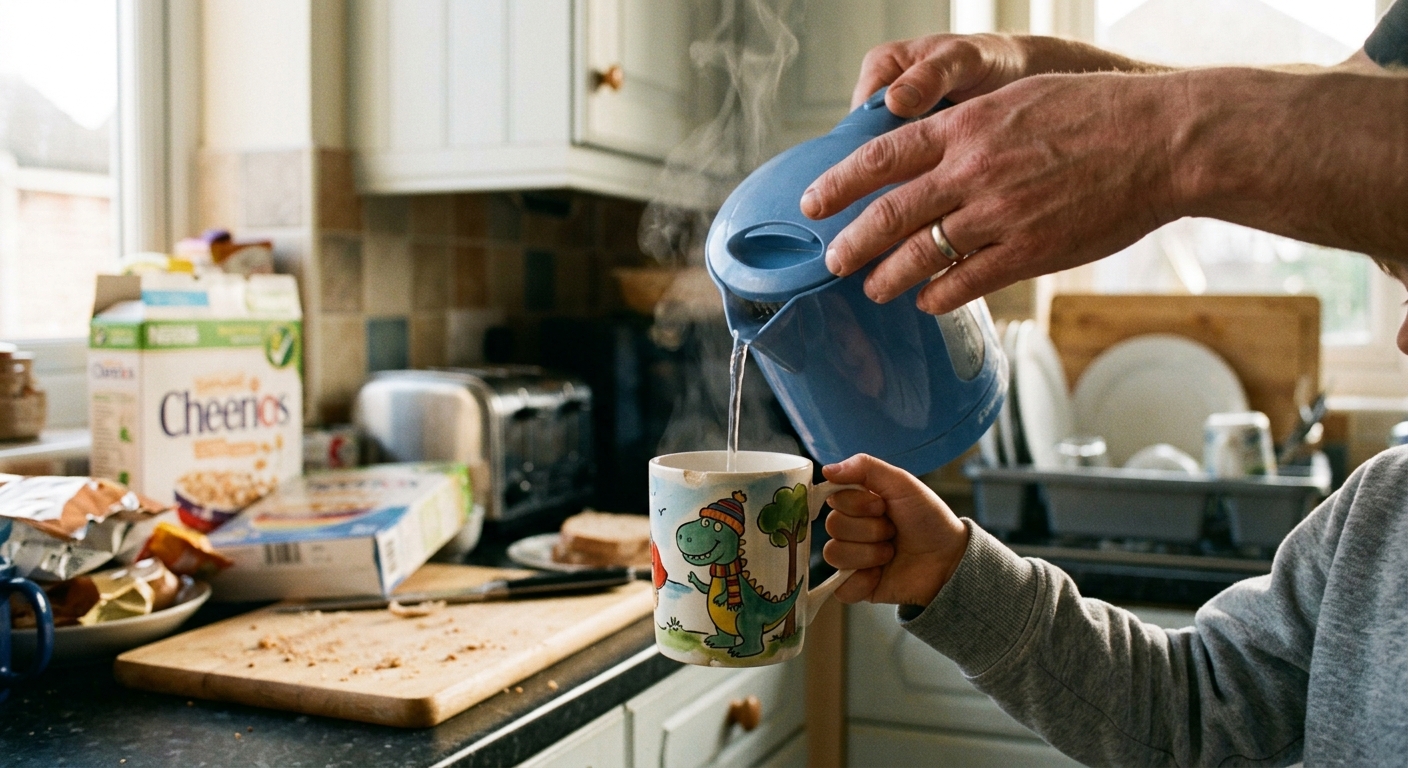
A child's body is smaller. The same 3 billion particles per cup represent a higher concentration relative to body weight than in an adult. Microplastics have now been found in 100% of human placentas tested and 100% of breast milk samples studied. They cross to the baby before birth and continue passing through during nursing. You cannot undo what is already there. You can stop adding to it, starting with the cup you make for your kid tomorrow.
"My kid is seven. The math broke my brain a little. Same particles per cup, half the body weight, basically double the dose. I ordered before I finished reading. Whatever, not taking the chance."
David C., 38, father of two, Seattle WA
100-day money-back guarantee. Free shipping included.
5. "Glass" Kettles Still Have Three Plastic Parts.
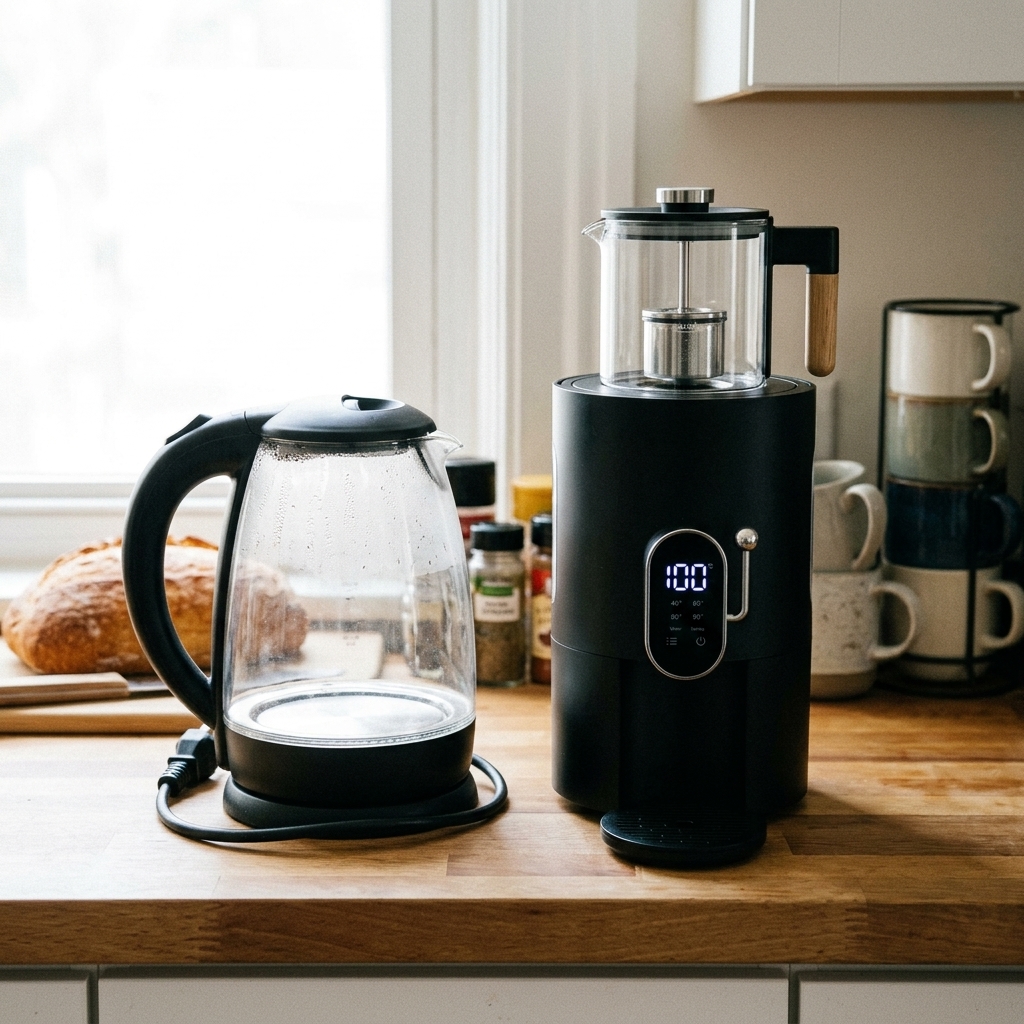
A basic glass kettle still has a plastic lid seal, a plastic spout, and a plastic base fitting. Water still touches plastic at three points in the path. The Bare Brewer is engineered so it doesn't. Borosilicate glass for the chamber, surgical steel for every internal component, and no plastic anywhere your water travels. It is the plastic-free version of the appliance you already use, not a different appliance. It also ships with a matching glass teapot for steeping loose-leaf, so your tea stays plastic-free too.
"Pulled out my 'glass' kettle and looked at it for like ten minutes. Plastic lid ring. Plastic spout insert. Plastic base disc where the heating element sits. I had been lied to by my own kitchen. The Bare is the only one I could verify."
Sandra L., 52, health coach, Denver CO
6. "Food-Safe" Was Never Tested at Boiling.
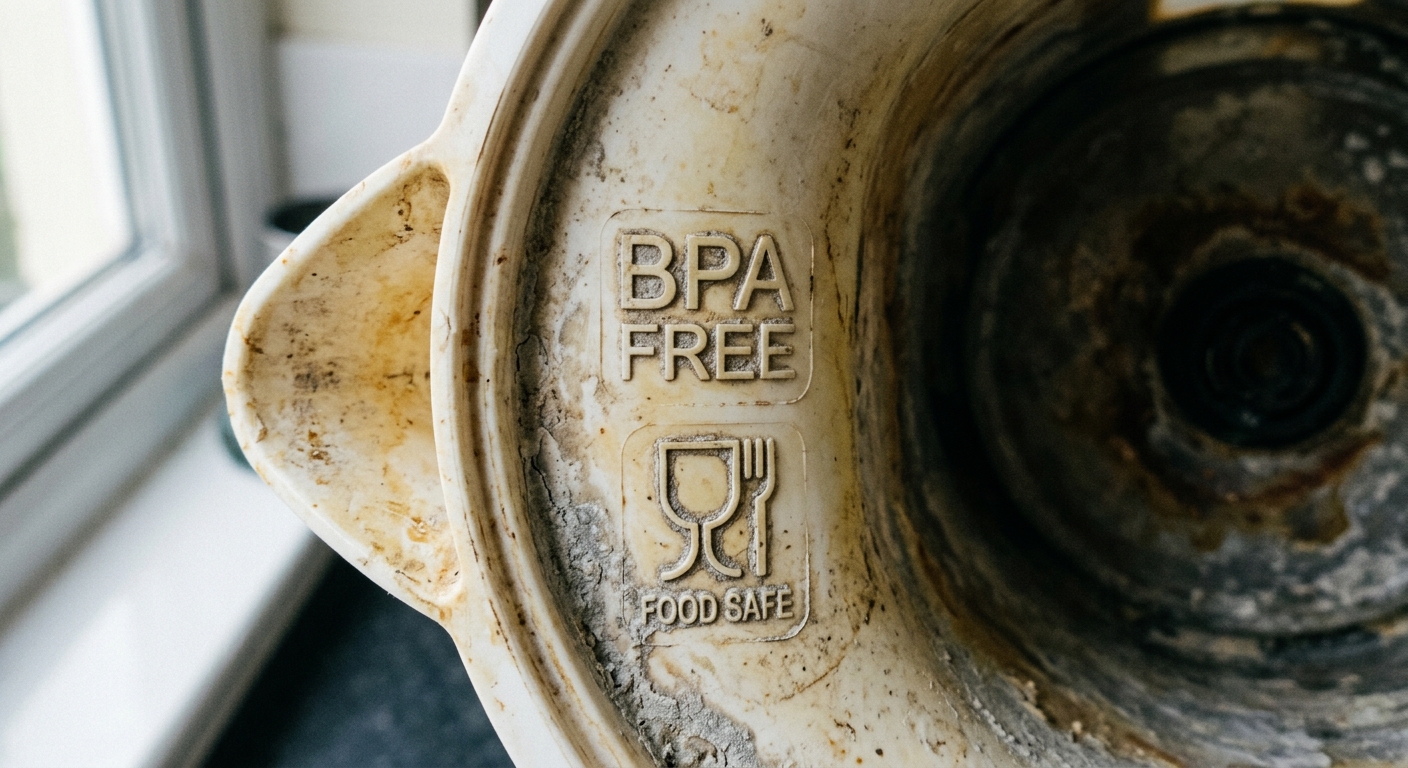
"Food-safe" means the plastic passed a room-temperature leaching test. It does not mean the plastic is stable at 212 degrees Fahrenheit. Heat accelerates polymer breakdown. The University of Queensland study specifically tested food-grade polypropylene at boiling temperature and found billions of particles released per boil. The label was written for storage. You are using it for boiling. Those are not the same test.
"As someone who actually litigates these cases for a living: the 'food-safe' standard is room-temp leaching only. Nobody who works in this field thinks it covers boiling water. We've been waiting for the public to catch up. This article catches them up."
Marcus W., 44, environmental attorney, Boston MA
7. This Is Nature Journal. Not a Wellness Blog.
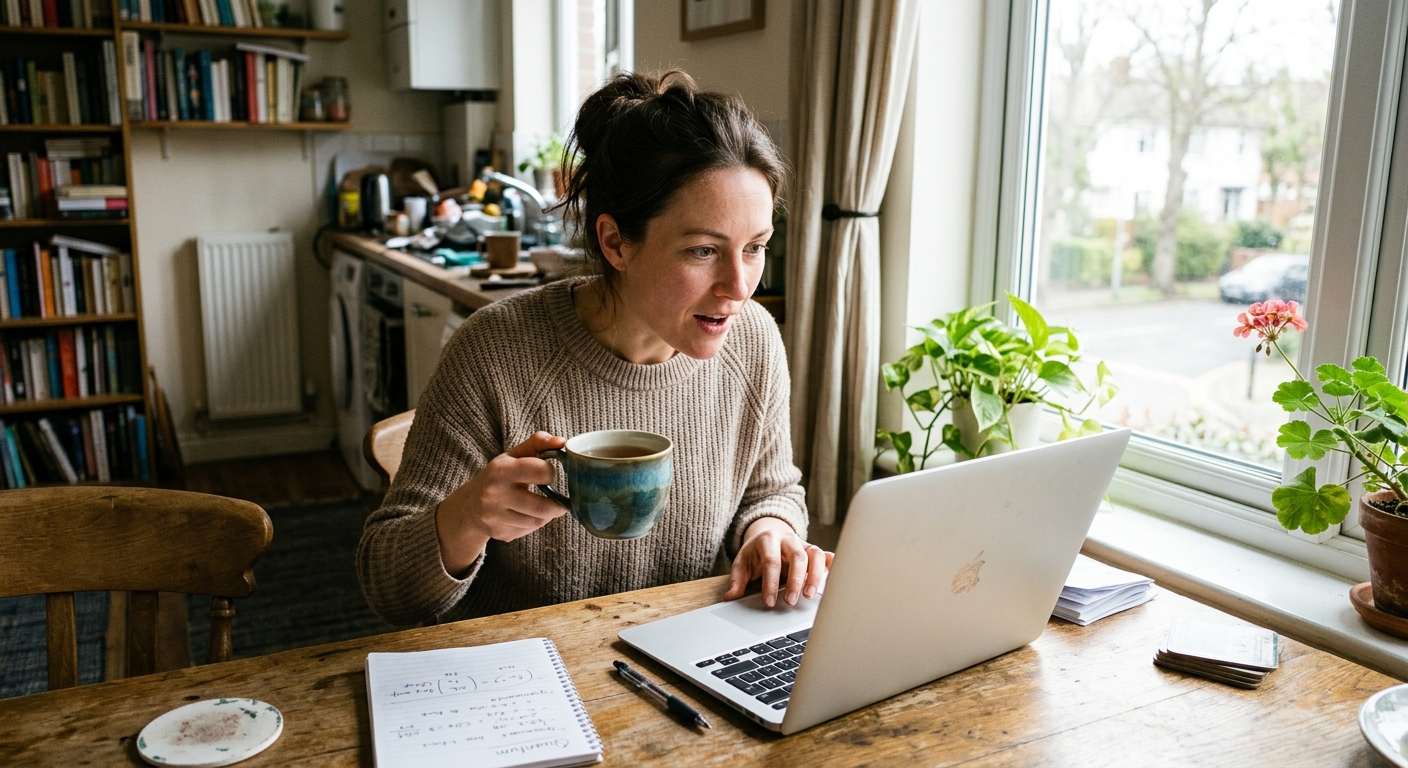
The University of Queensland study was published in npj Emerging Contaminants, a Nature journal, in December 2025. The NEJM arterial plaque study ran in 2024. The placenta and breast milk findings were peer-reviewed and replicated. This is not wellness content. This is the same evidence standard used to change clinical guidelines. Most people in your circle will not see these studies for years. You are reading them now.
"I printed the Queensland study and handed it to my doctor at my annual. She skimmed it for two minutes and said 'I haven't seen this one yet.' Two weeks later she texted me: she'd replaced her own kettle. That's the moment I knew this wasn't paranoia."
Theresa B., 49, teacher, Minneapolis MN
8. Knowing Is Not the Same As Doing.
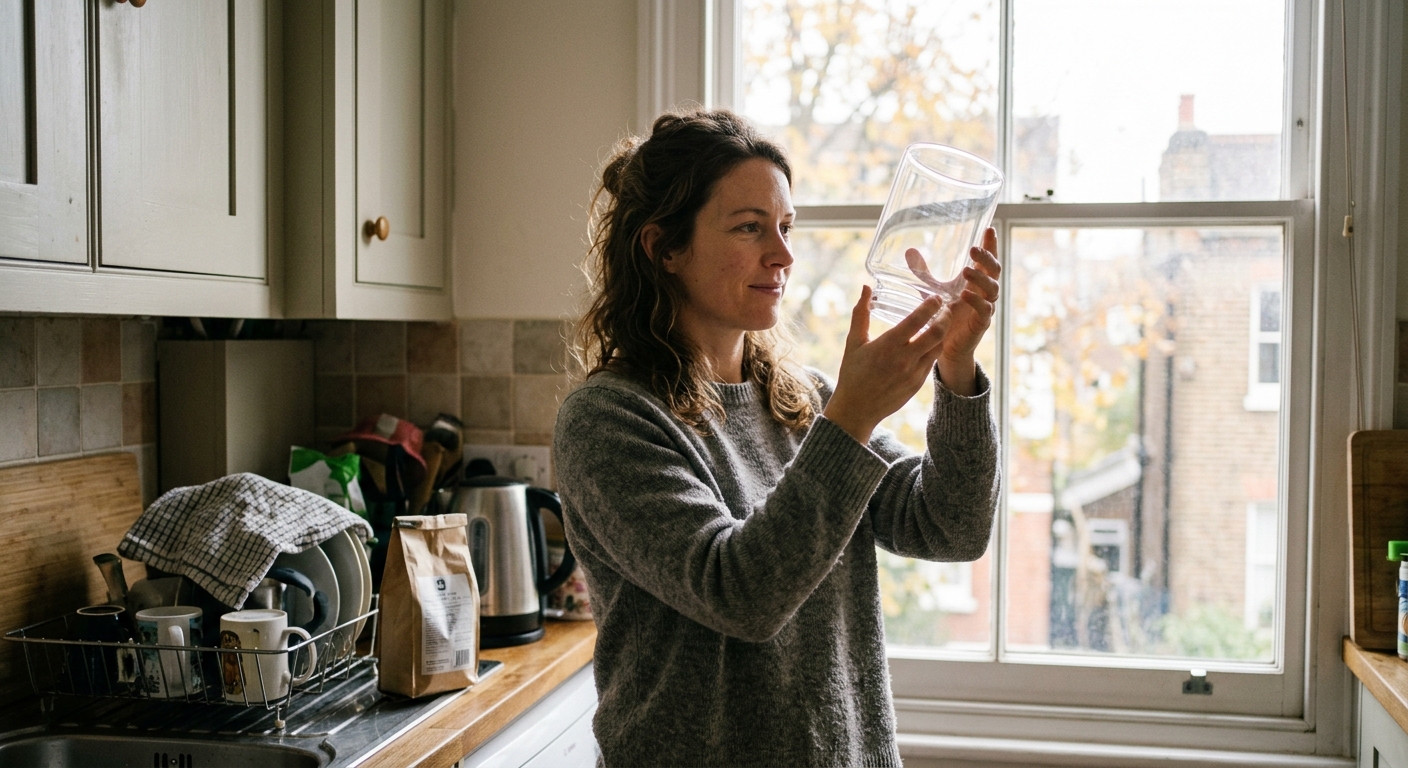
You already filtered your water. You already switched to organic. You made those changes because you read something that changed what you knew. This is the same moment. The Bare Brewer is the plastic-free version of the appliance you already use every morning. Glass and steel, nothing else your water touches. The person who acts this week is not the person who wonders about it in six months.
"Listen, I'm the queen of save-for-later. Articles, podcasts, things I 'mean to' do. This is the only one I actually acted on the same day. I think it was the 3 billion number. I couldn't unread it."
Alicia F., 36, marketing director, Nashville TN
"I have reviewed every glass electric kettle currently available in the US market. Most still have plastic components in the water path. The lid seal, the spout, or the base fitting. The Bare Brewer is the only one I have been able to verify uses zero plastic anywhere your water touches. That is why I am recommending it specifically."

Replace Your Plastic Kettle. Today.
A plastic-free electric kettle. Borosilicate glass and surgical steel only. Zero plastic anywhere your water touches. Ships with a matching glass teapot.
- The Bare Brewer, plastic-free kettle + matching glass teapot
- Free Bare Pot, borosilicate glass stovetop pot ($39.97 value)
- Free Bare Mug, glass mug made to match ($34.97 value)
- Free Bare Bottle, insulated, plastic-free ($49.97 value)
- Free shipping ($8.97 value)
You Already Made the Hard Decisions. This Is the Easy One.
You did not switch to organic food because it was convenient. You did it because you understood what was at stake. This is the same decision, applied to the appliance you use every single morning. The Bare Brewer is not a wellness product. It is the logical next step for someone who already takes this seriously.
The research is published. The mechanism is understood. The fix exists and it costs less than a month of organic groceries.
100-day money-back guarantee · Free shipping · Ships within 24 hours